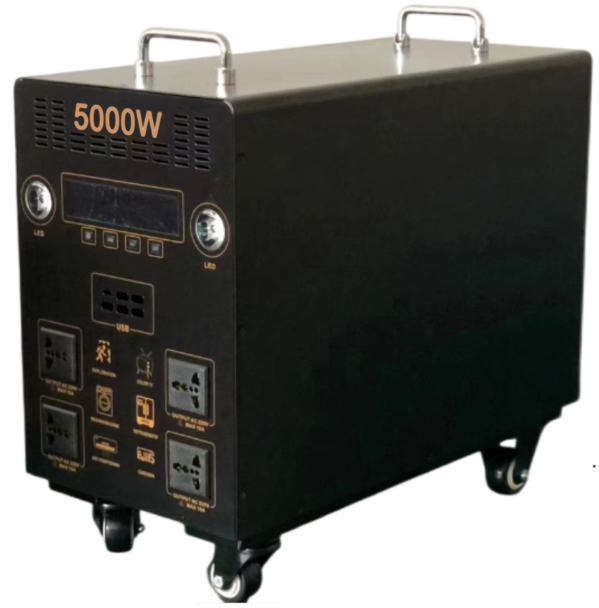
B5000
B5000 · 5000W Wheeled Power Station
Large-capacity option for a defined equipment supply plan.
View configurations ↗Explore higher-output stations for selected tools and temporary equipment supply where extension leads or a permanent outlet are impractical.

Use this guide to match the equipment, operating time and charging plan with the product configurations below.
Compare candidate products ↗Specific power tools, work lights and compatible field equipment. Motor startup, duty cycle and unusual loads need direct verification.
The application match narrows the shortlist. The exact equipment and operating plan determine final suitability.
8 source-matched series · compare exact battery variants below.
Large-capacity option for a defined equipment supply plan.
View configurations ↗
Mobile power option for selected equipment and field use.
View configurations ↗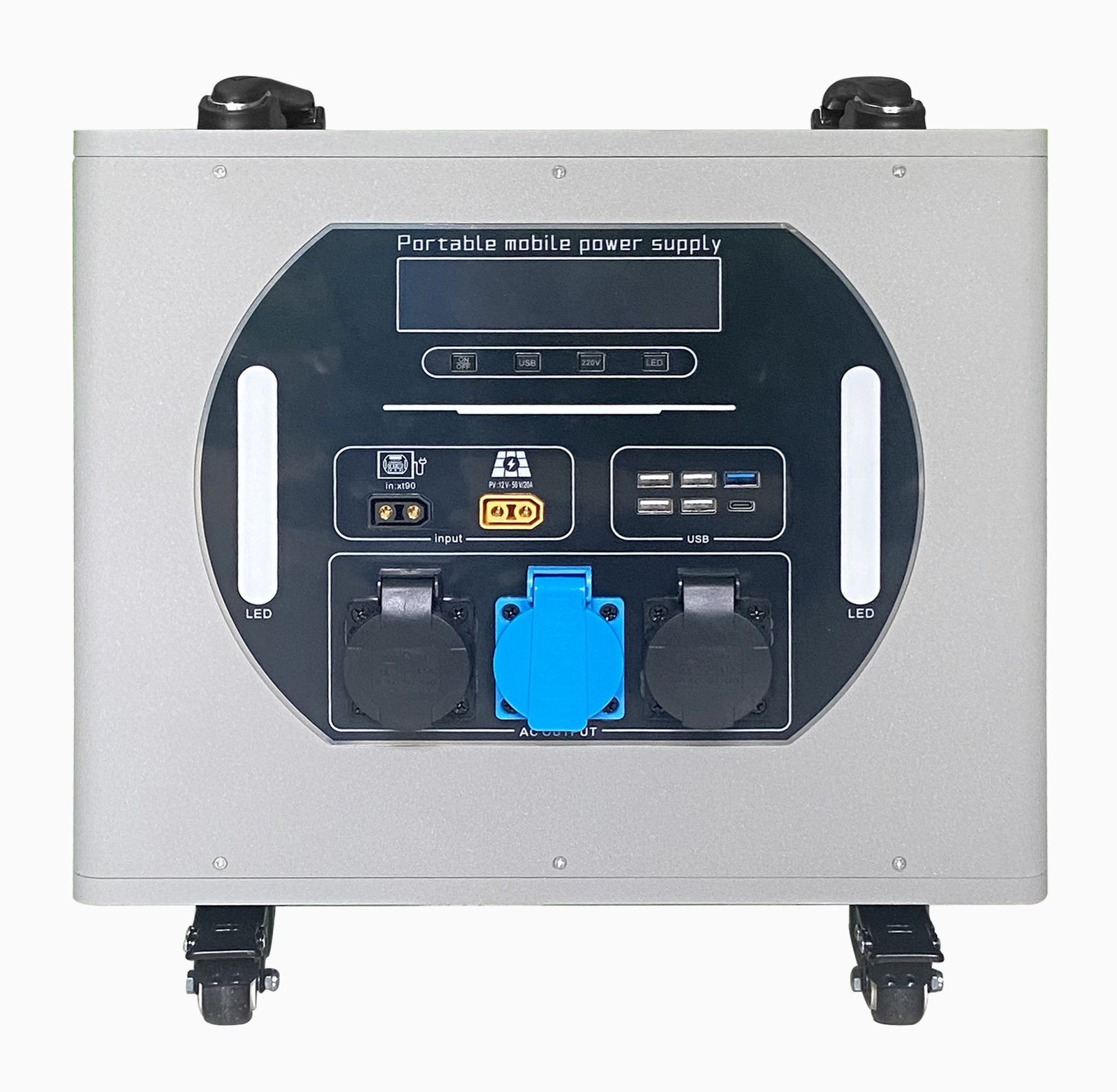
Mobile power option for selected equipment and field use.
View configurations ↗
Mobile power option for selected equipment and field use.
View configurations ↗
Mobile power option for selected equipment and field use.
View configurations ↗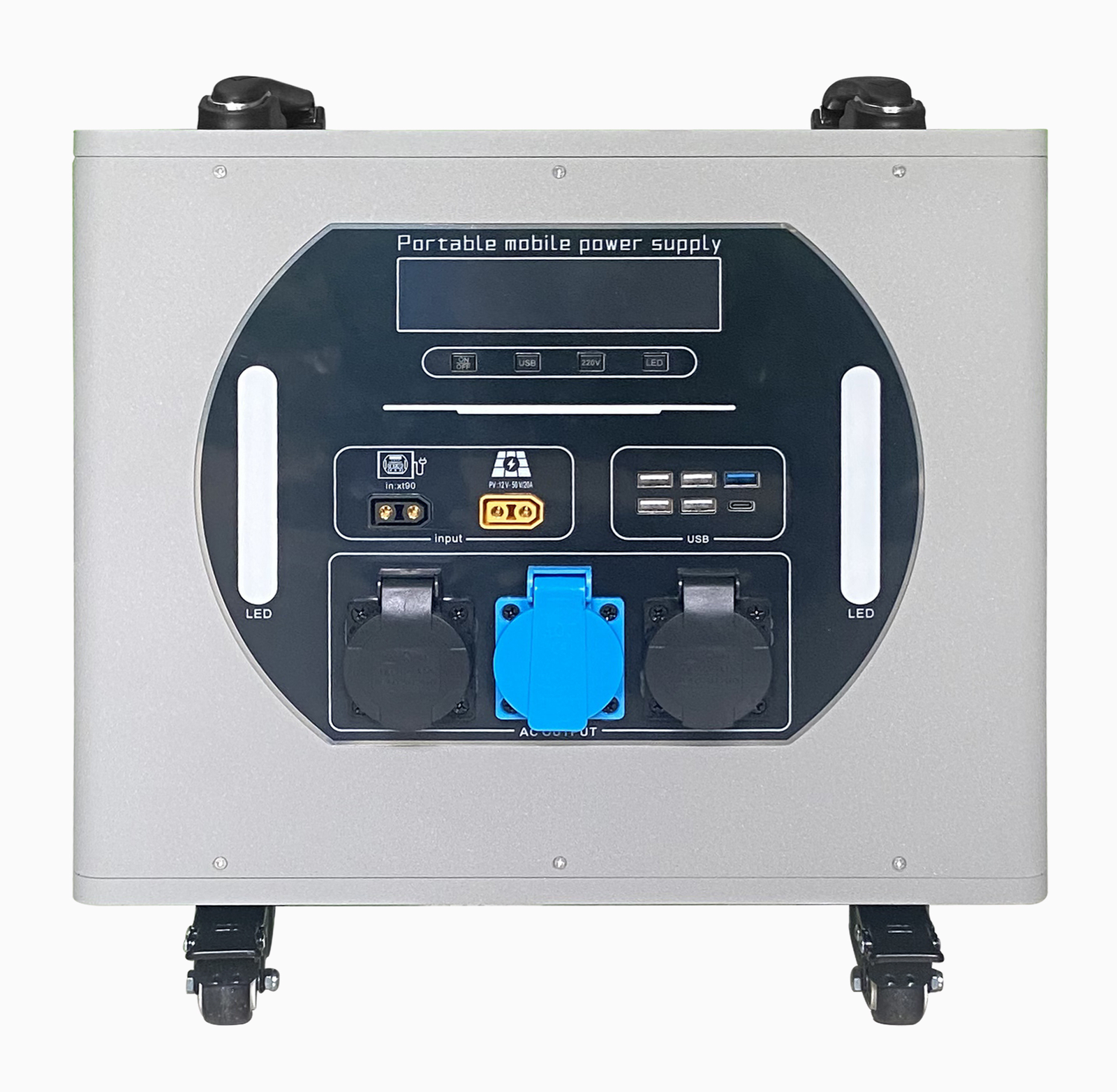
Large-capacity option for a defined equipment supply plan.
View configurations ↗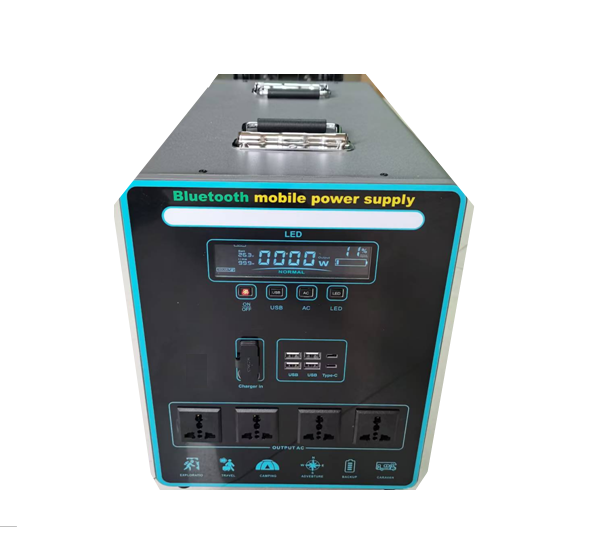
Mobile power option for selected equipment and field use.
View configurations ↗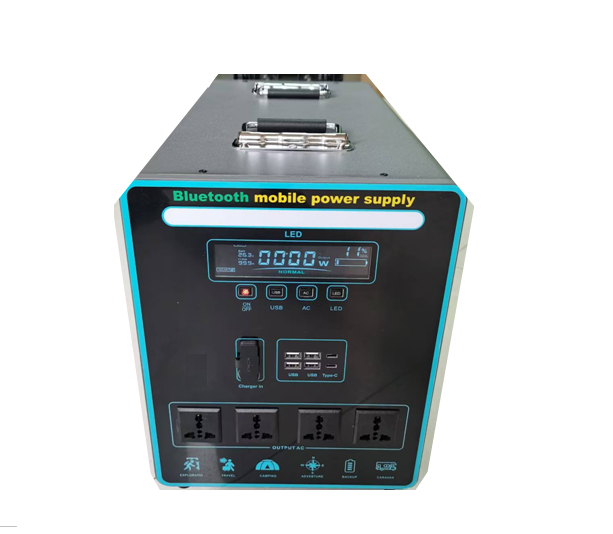
Mobile power option for selected equipment and field use.
View configurations ↗Application wording in the quotation identifies these candidates. Confirm the appliance input and operating cycle before choosing a model.
Record input demand, starting behavior, duty cycle and concurrent equipment. Confirm the station’s continuous output and permitted peak duration. A tool’s nameplate power alone is not enough to guarantee operation.
Choose transport structure and weight around the site. Assess lifting, stairs, terrain and loading; wheels help only on suitable routes. Do not assume dust or water protection without a verified rating.
Include how the unit gets to the location, where it is placed, which cables are needed and when it will recharge. Battery energy is one part of the working plan; transport structure, interfaces and charging source affect whether the product is practical.
Equipment suppliers should request a tool-and-station test under representative conditions. Identify the tested equipment and keep handling instructions, transport scope and after-sales terms in the supply agreement.
| Information | What the buyer records | How it is used |
|---|---|---|
| Equipment | Device names, models, voltage/current or watts | Select the relevant output interfaces and rating |
| Simultaneous use | Devices running together and any startup demand | Compare continuous and starting requirements |
| Operating schedule | Hours per device, duty cycle and reserve | Compare nominal energy and test duration |
| Location & handling | Surface, lifting, placement and connection route | Select the transport structure and accessory set |
| Charging | Mains or panel setup and time between sessions | Compare charger and solar-input arrangement |
| Acceptance | Pass criteria, package contents and documents | Make sample approval specific and repeatable |
Equipment suppliers should request a tool-and-station test under representative conditions. Identify the tested equipment and keep handling instructions, transport scope and after-sales terms in the supply agreement.
A useful supply brief includes the selected series and capacity, market interface, quantity split, accessories, instructions and packaging. Ask for a representative sample that matches this brief.
Share your load worksheet, expected use, target market and preferred product family. Add any required labels, manuals, package contents or documents to the quotation request.
Discuss this application ↗Choose against the actual device list, simultaneous demand, operating hours, handling and charging plan. The candidate list provides starting points, while a configuration-specific sample answers the final compatibility question.
Discuss the station, compatible accessories, instructions and package as a complete itemized set. Confirm which components are supplied and which are customer-provided.
Compare nominal Wh together with weight, charge time and the working schedule. Ah must be read with the battery voltage.
The intended load and operating schedule, interface compatibility, charging arrangement, handling, accessory set and agreed acceptance criteria.
Tell us the equipment, target market, capacity and quantity. We’ll discuss a configuration and private label supply proposal.